Case study
Twitter Aurora
A world made of conversations.
- With The Office for Creative Research & Twitter #Studio
- San Francisco, New York and Twitter offices worldwide
- 2016–2019
- The One Show 2019, Merit
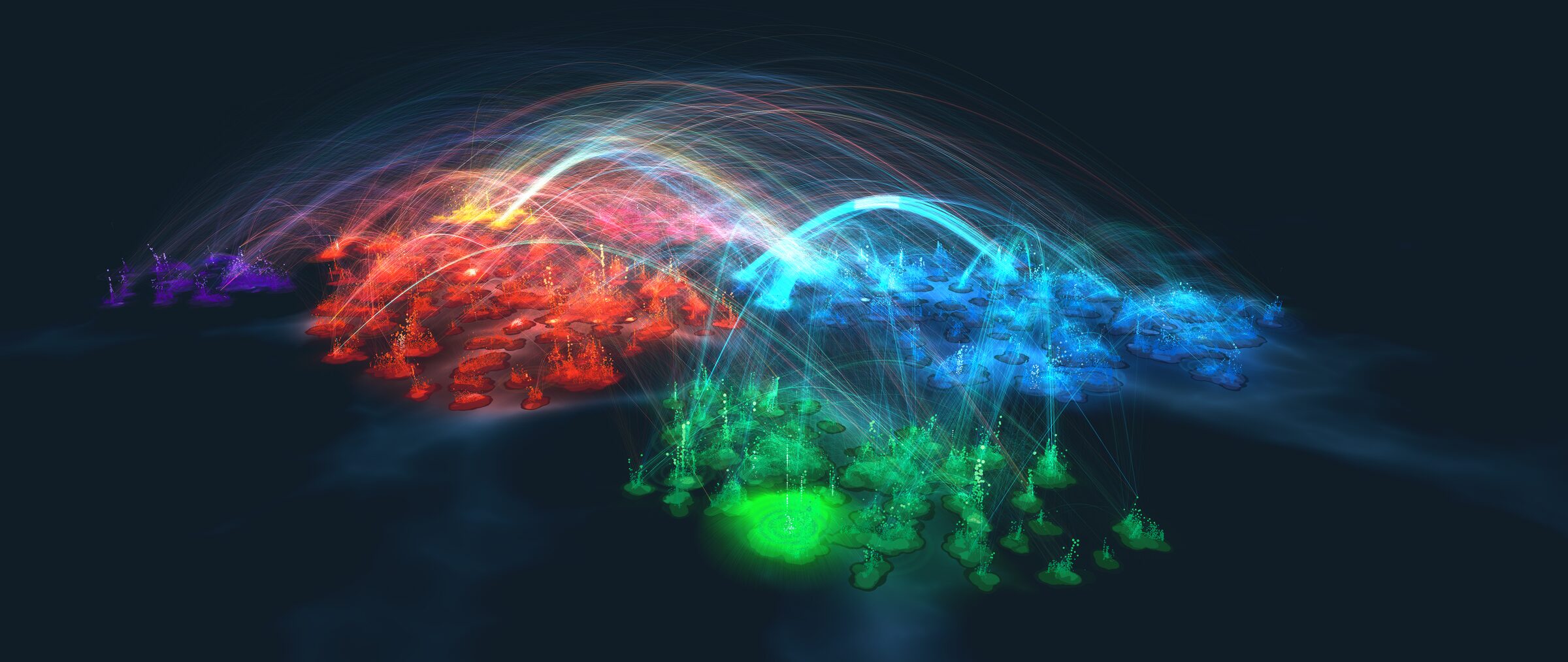
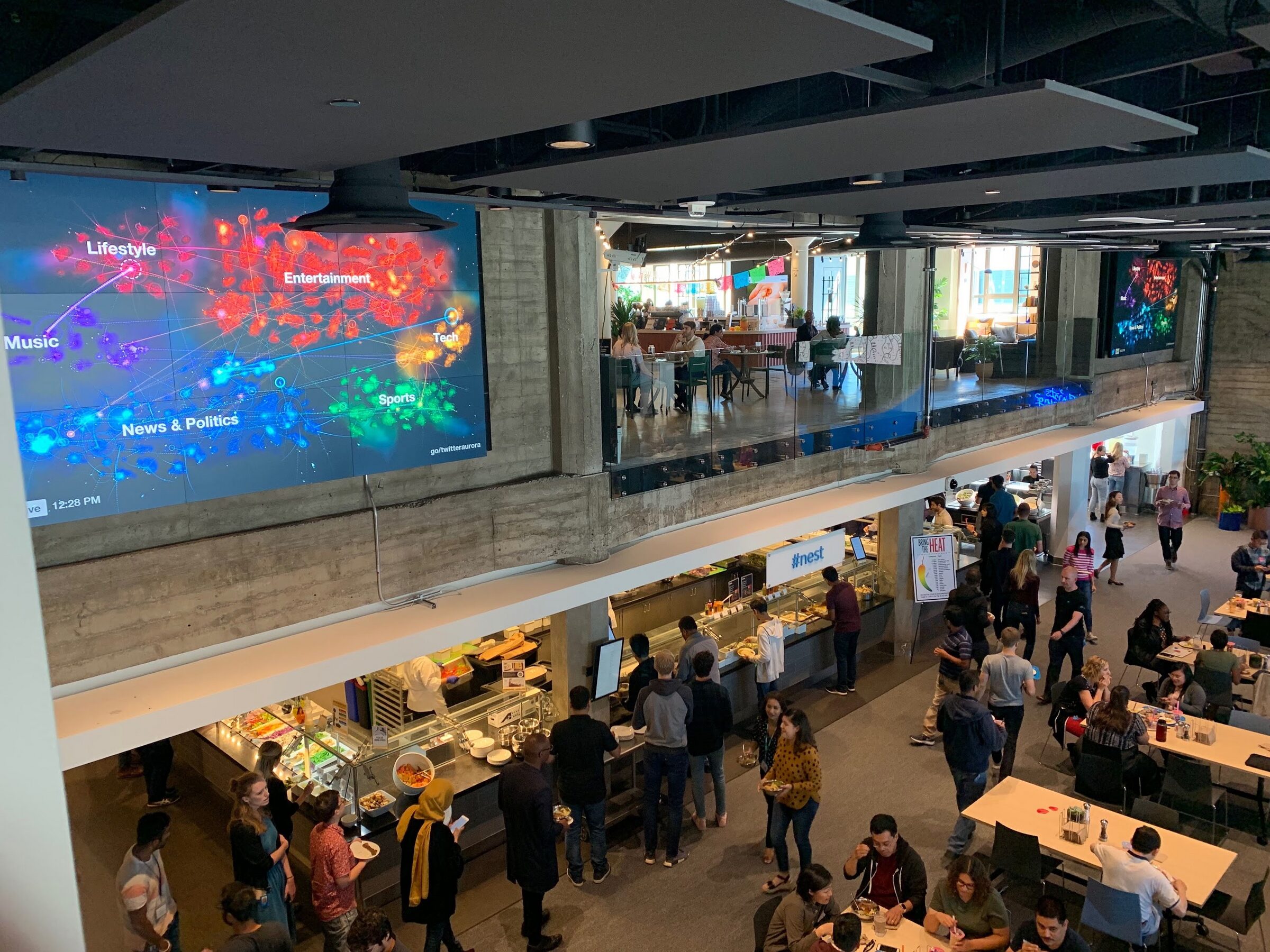
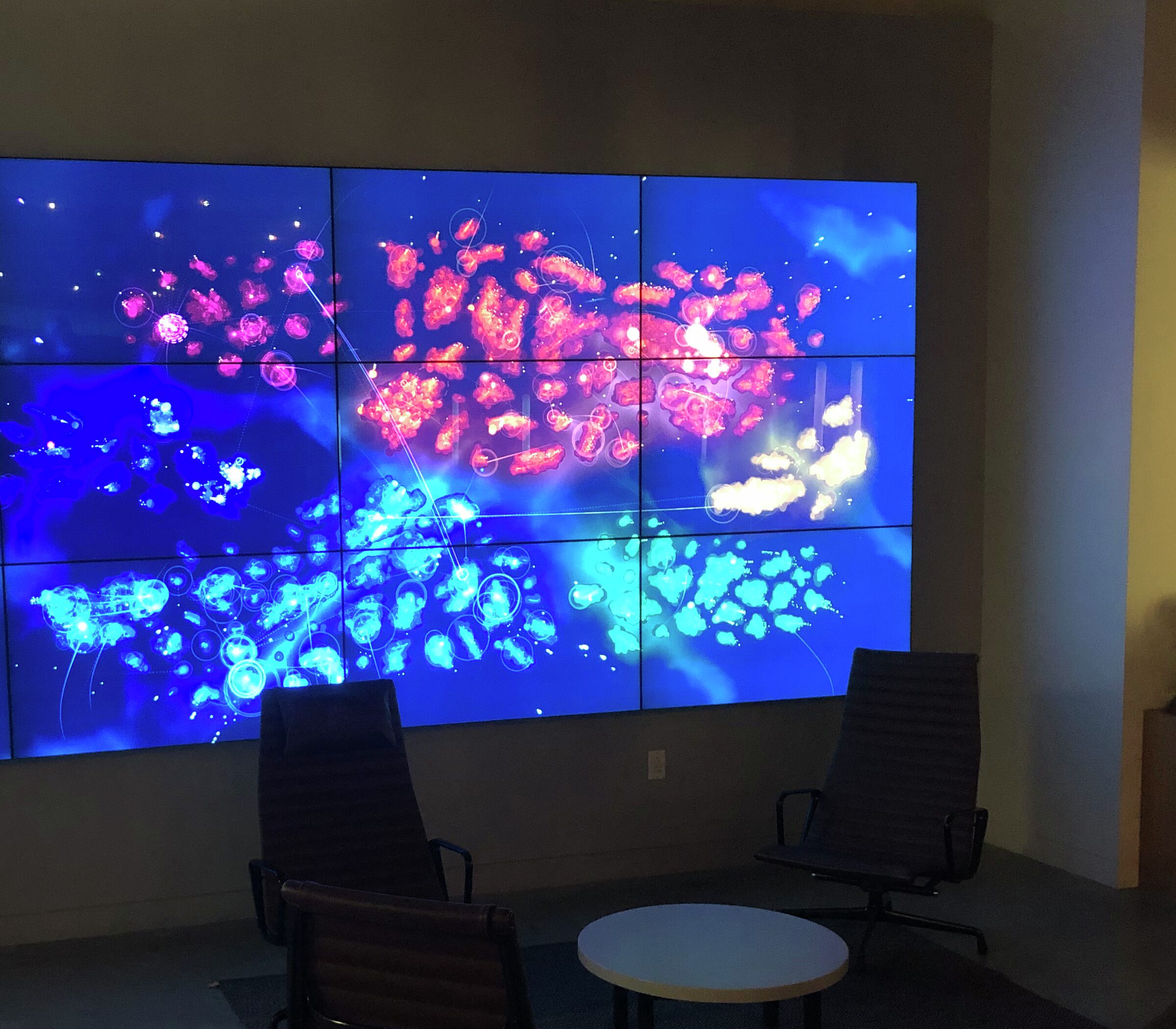
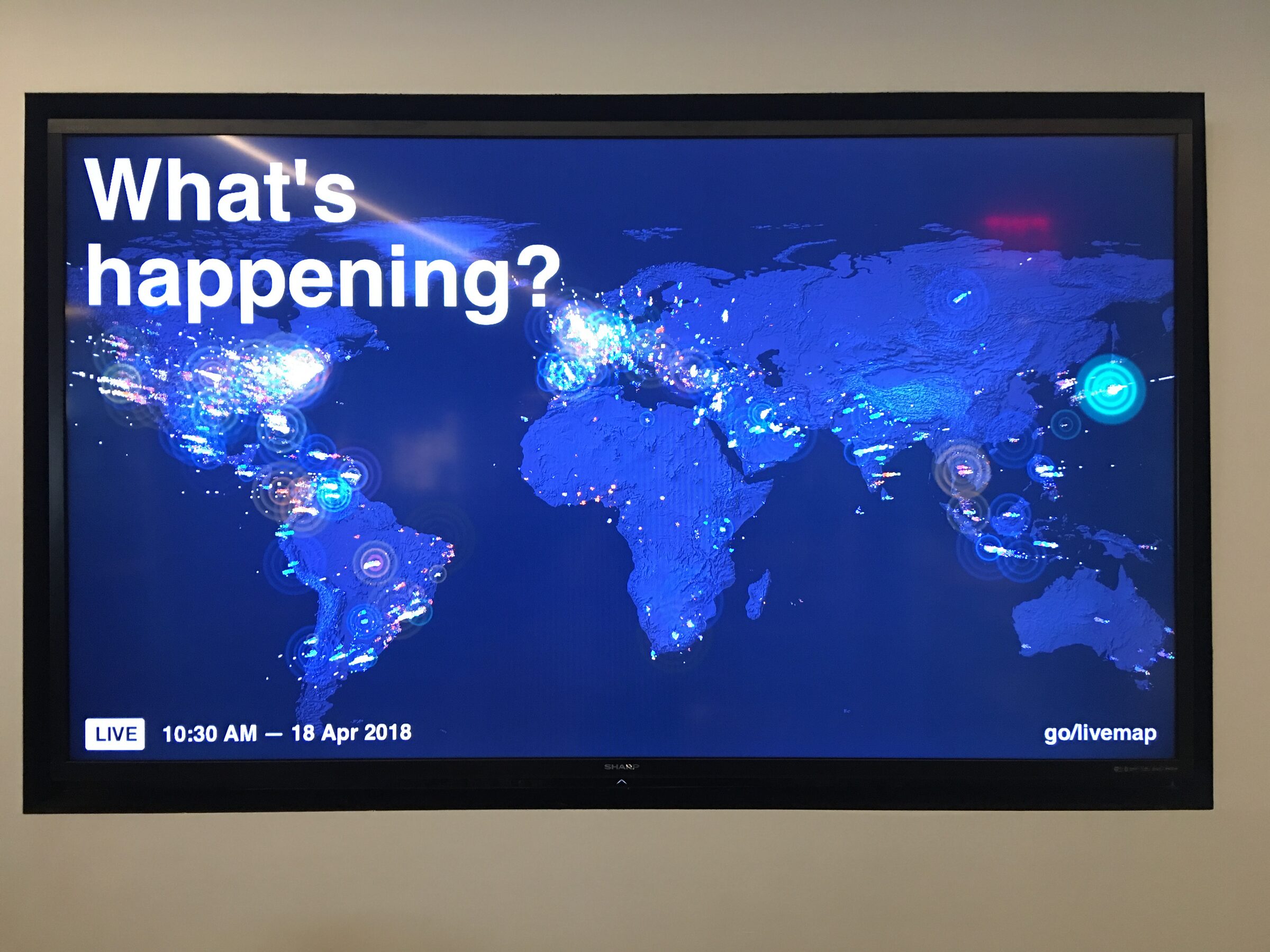
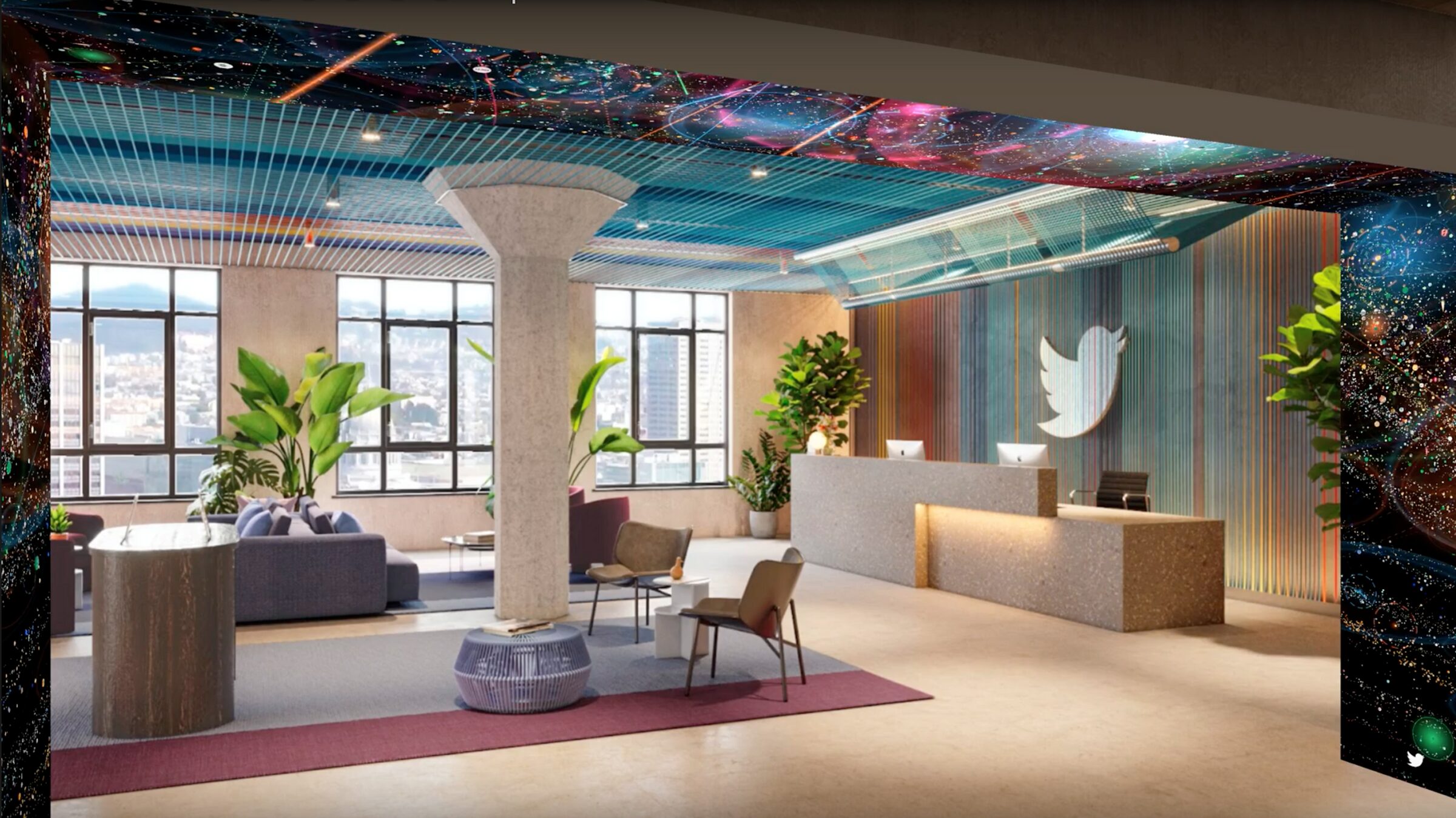
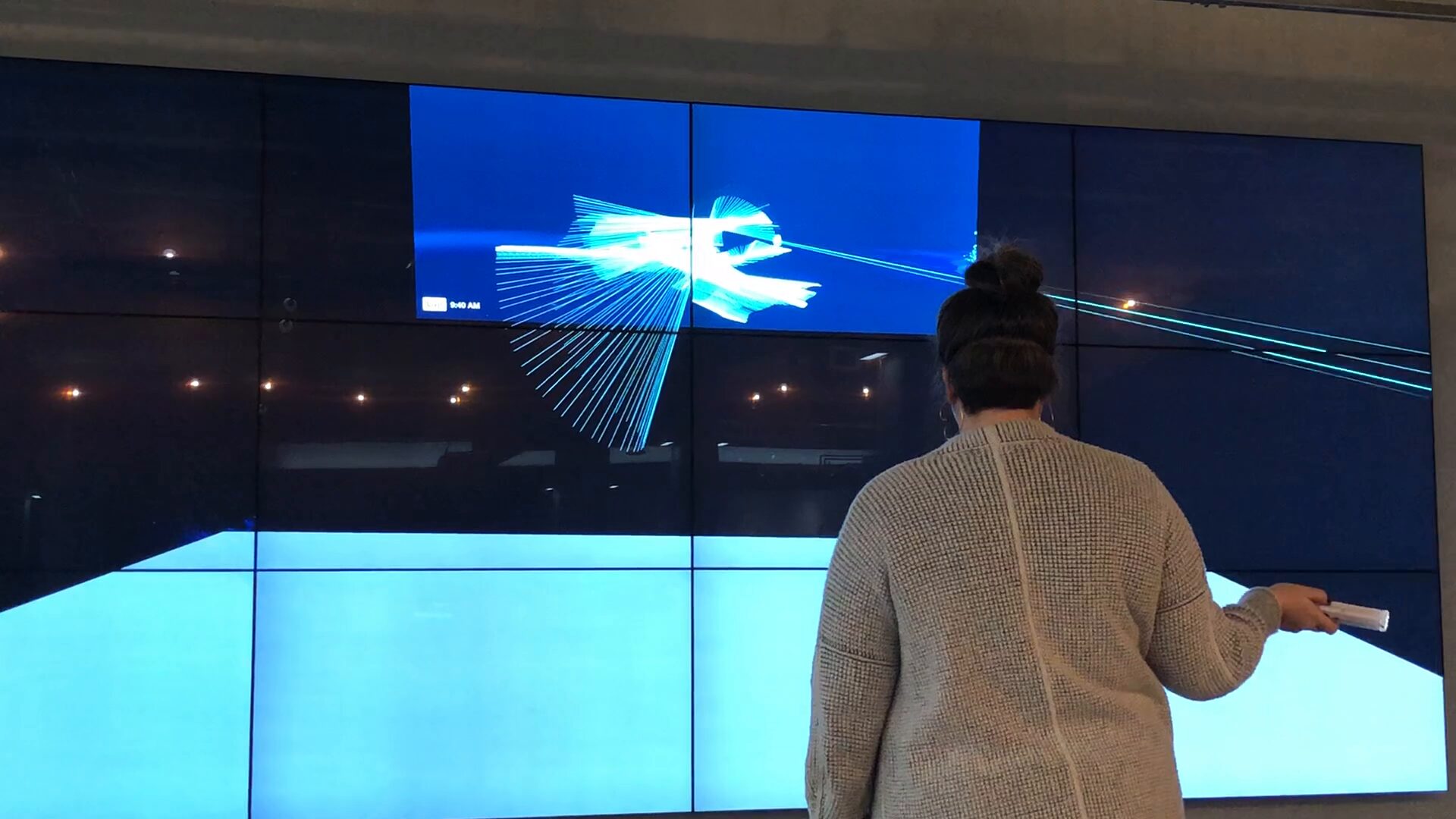
At Twitter’s San Francisco headquarters, Aurora turned a wall into a living landscape of conversation. Communities became continents; a single voice could open into a constellation of connections. Visitors could travel through it with a wand. By 2019 it held two hundred thousand voices and glowed in most of Twitter’s offices, from Tokyo to São Paulo. For years, somewhere in the world, it was always live.
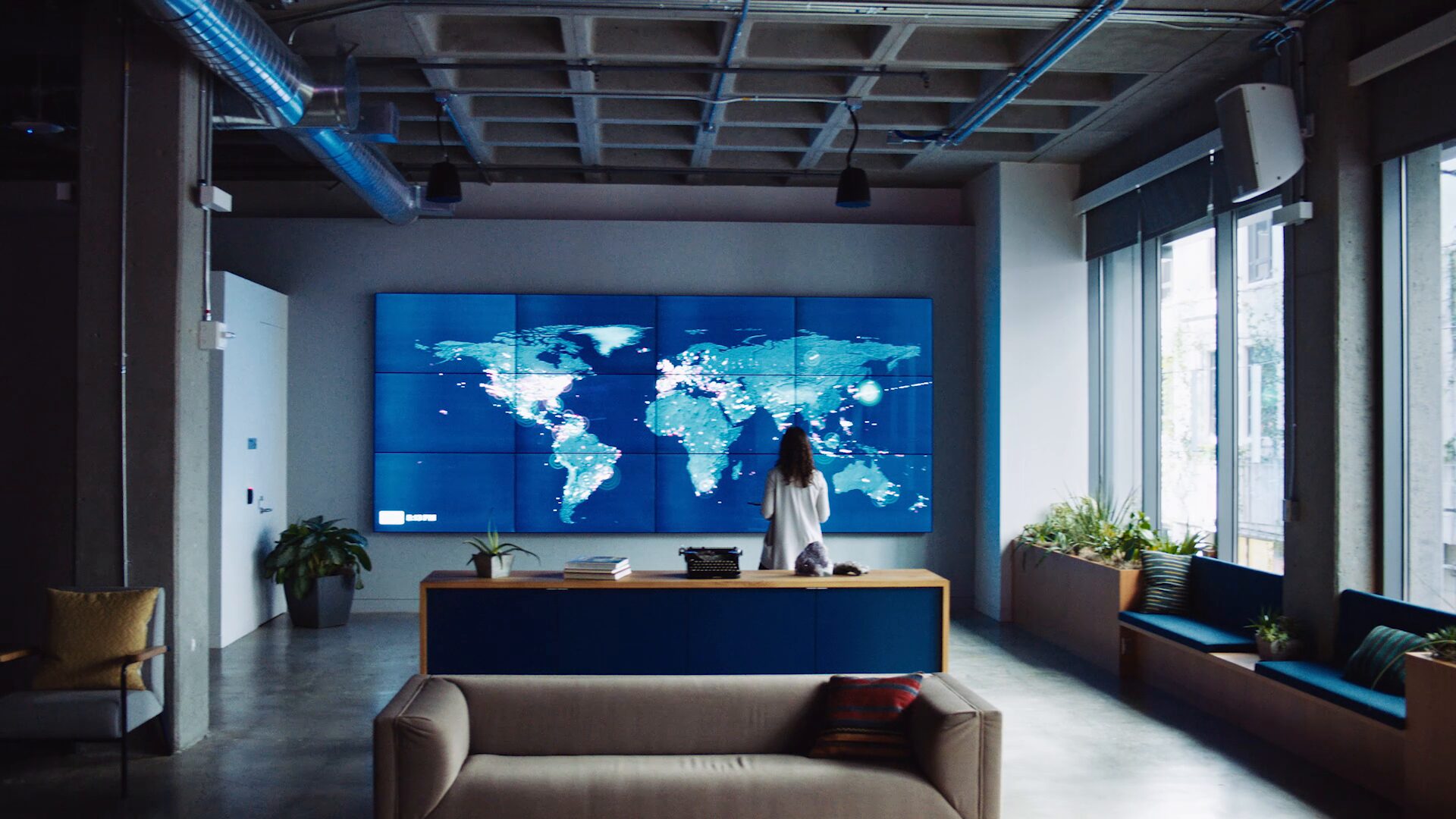
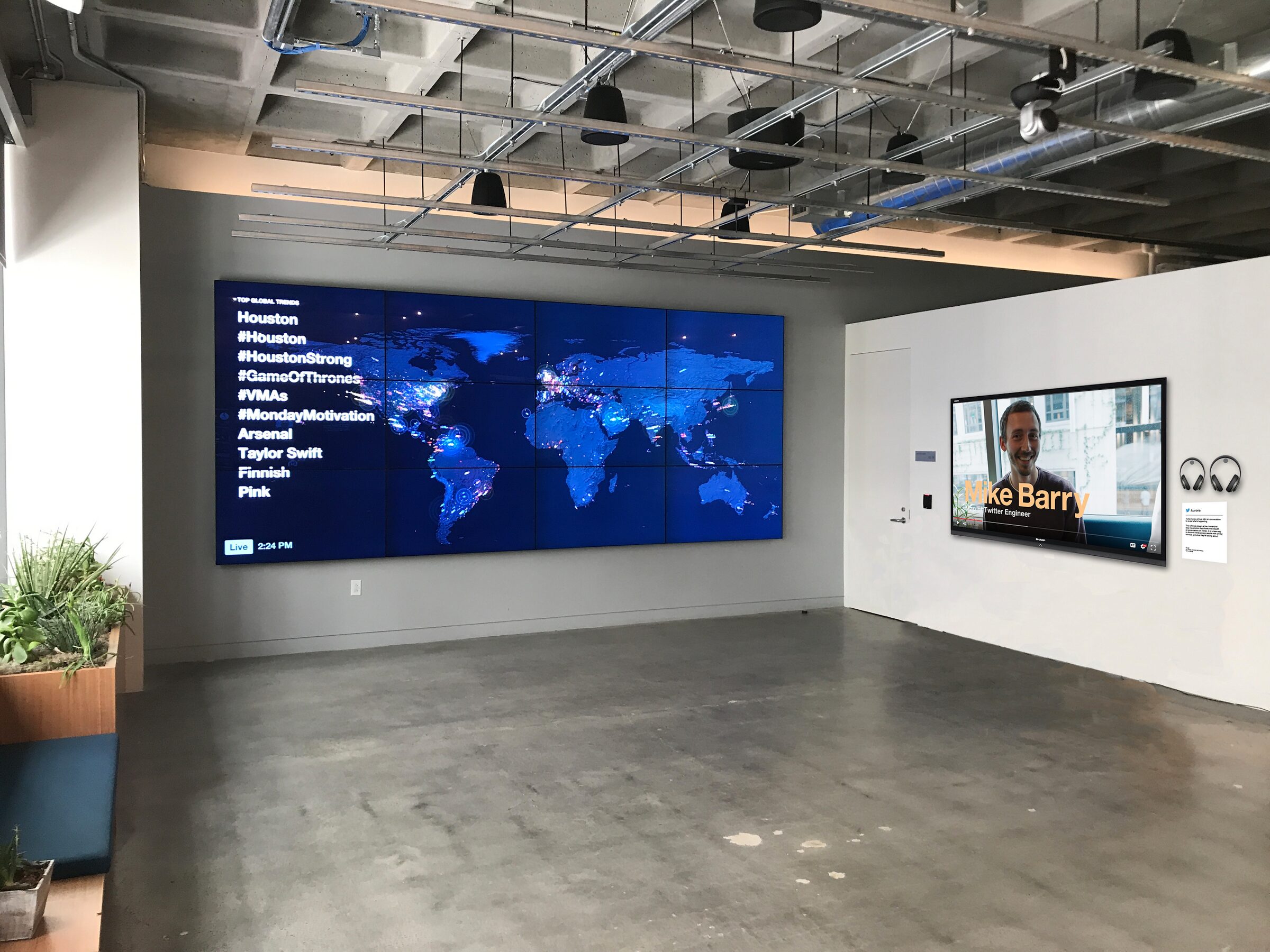
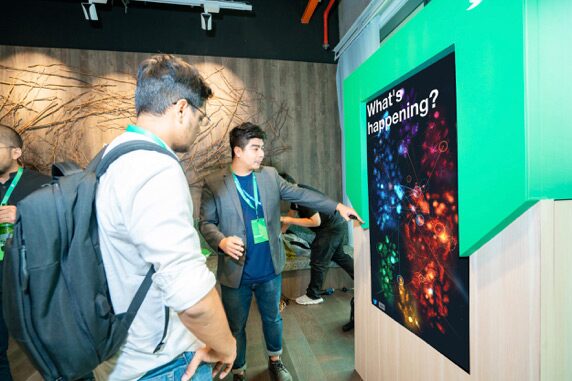
I was at its heart from its first working prototype, building the foundation with Ryan Bartley, then leading its creative technology through its life at Twitter. Ian Ardouin-Fumat’s data science renewed its continents as Twitter changed; I built the real-time engine that let people move among them, turning the signals from Oblong’s wand into a calm, cinematic flight.
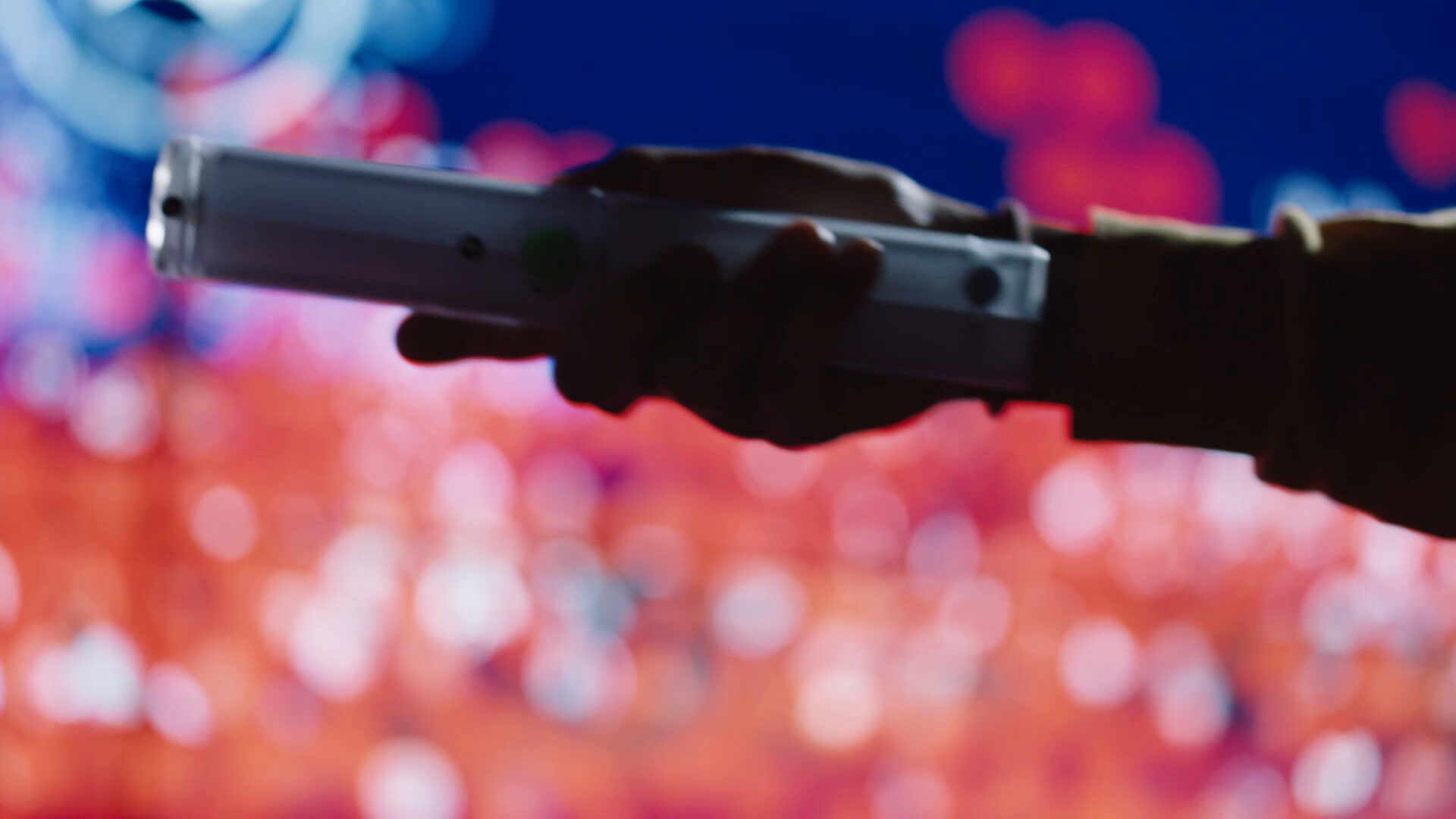
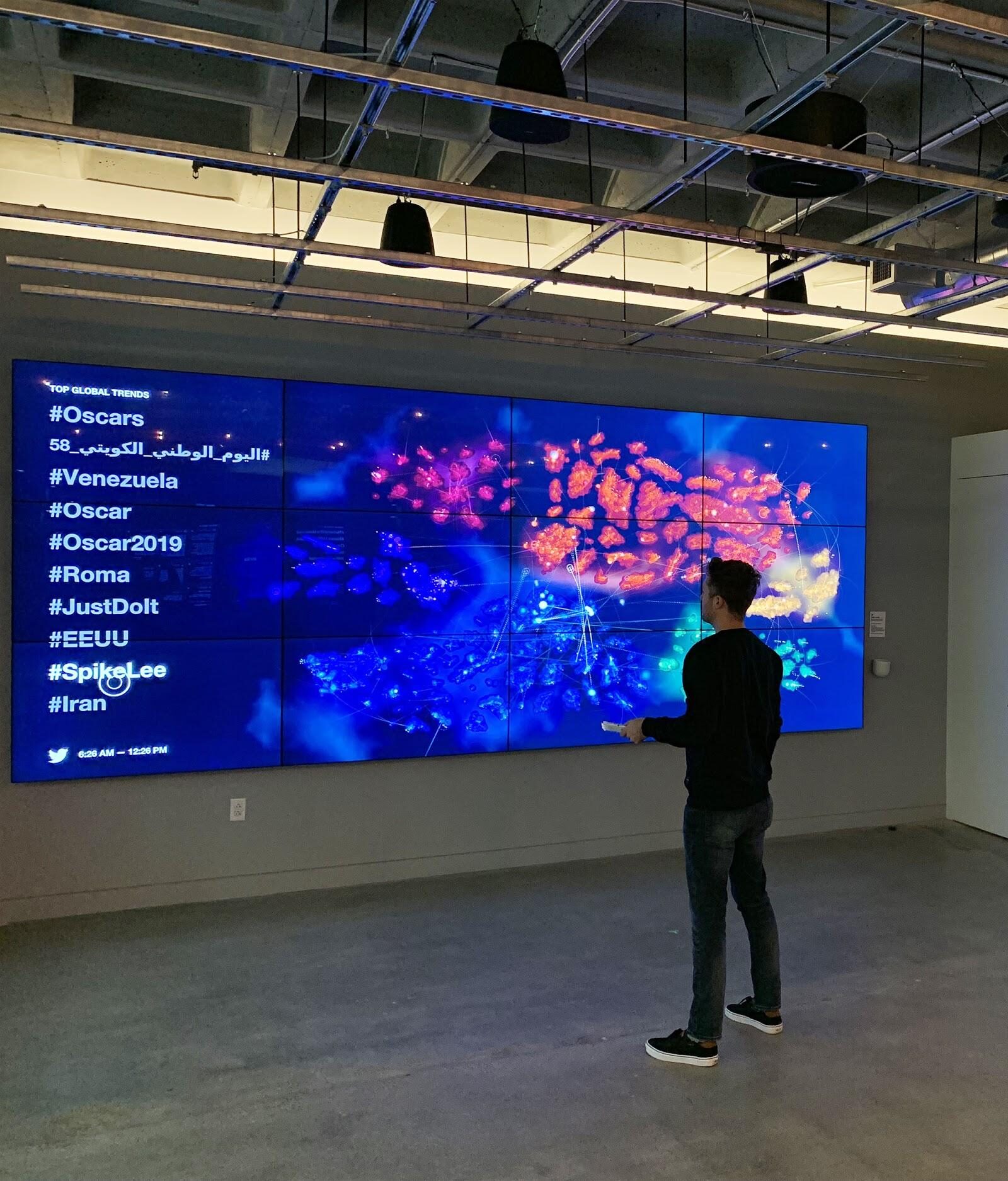
Working closely with creative director Arianna Orland, I shaped how that world moved and responded. The tuning tools I built let Arianna and me refine it together, seeing and feeling each change as we made it. JD Corr, the team’s tech lead and its bridge to the rest of Twitter, ran the backend that fed every screen and kept the whole system on its feet.
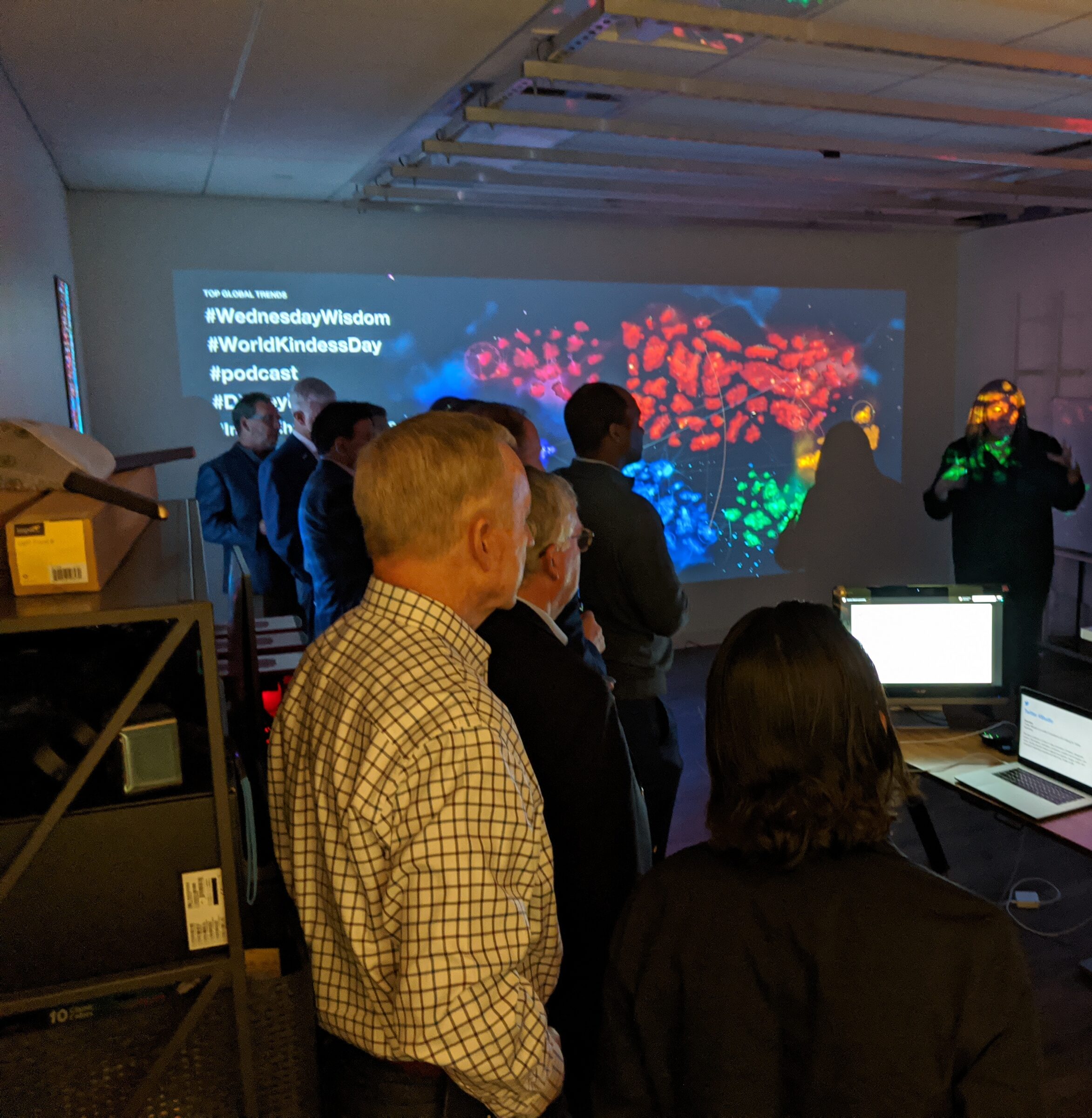
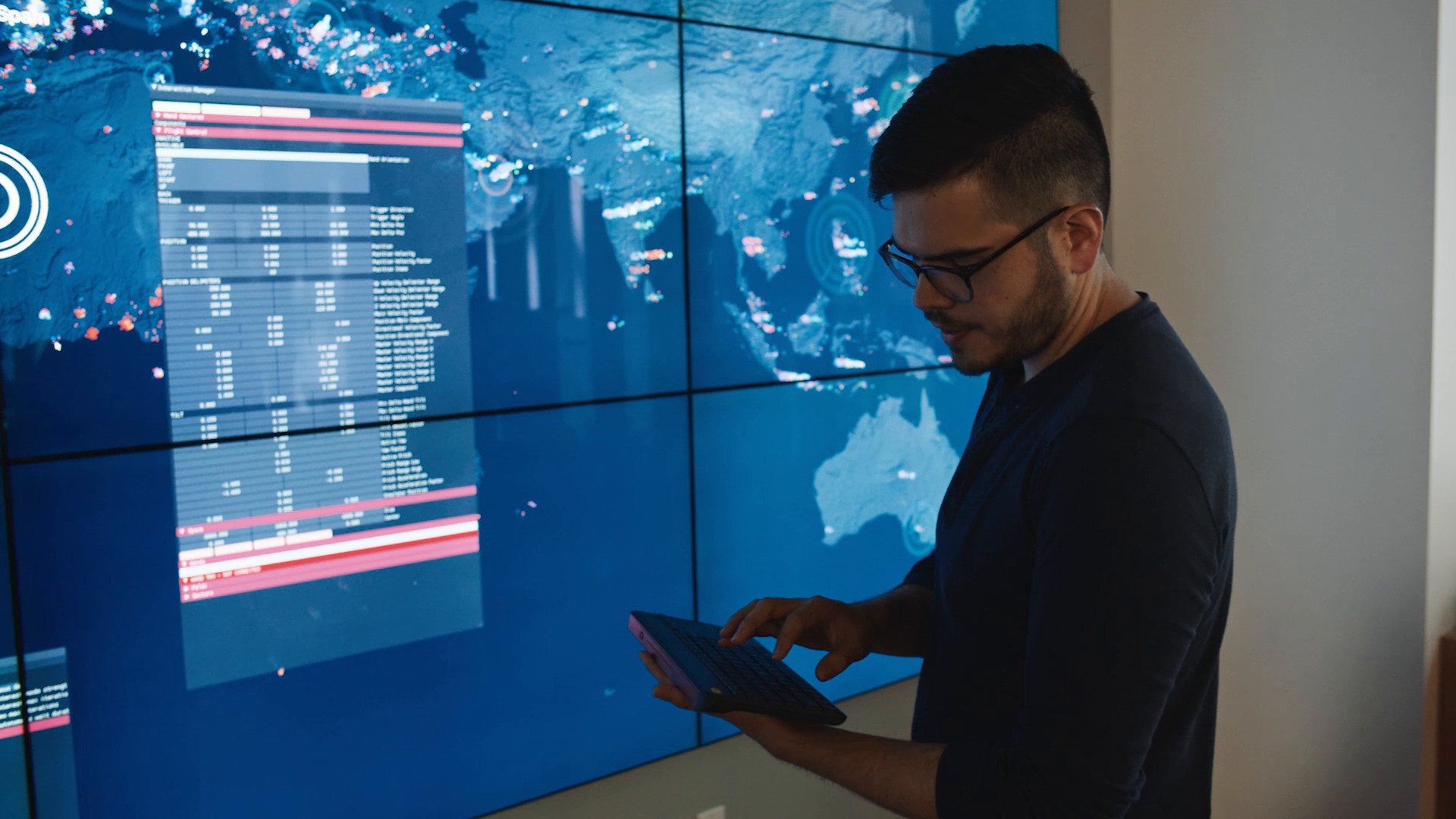
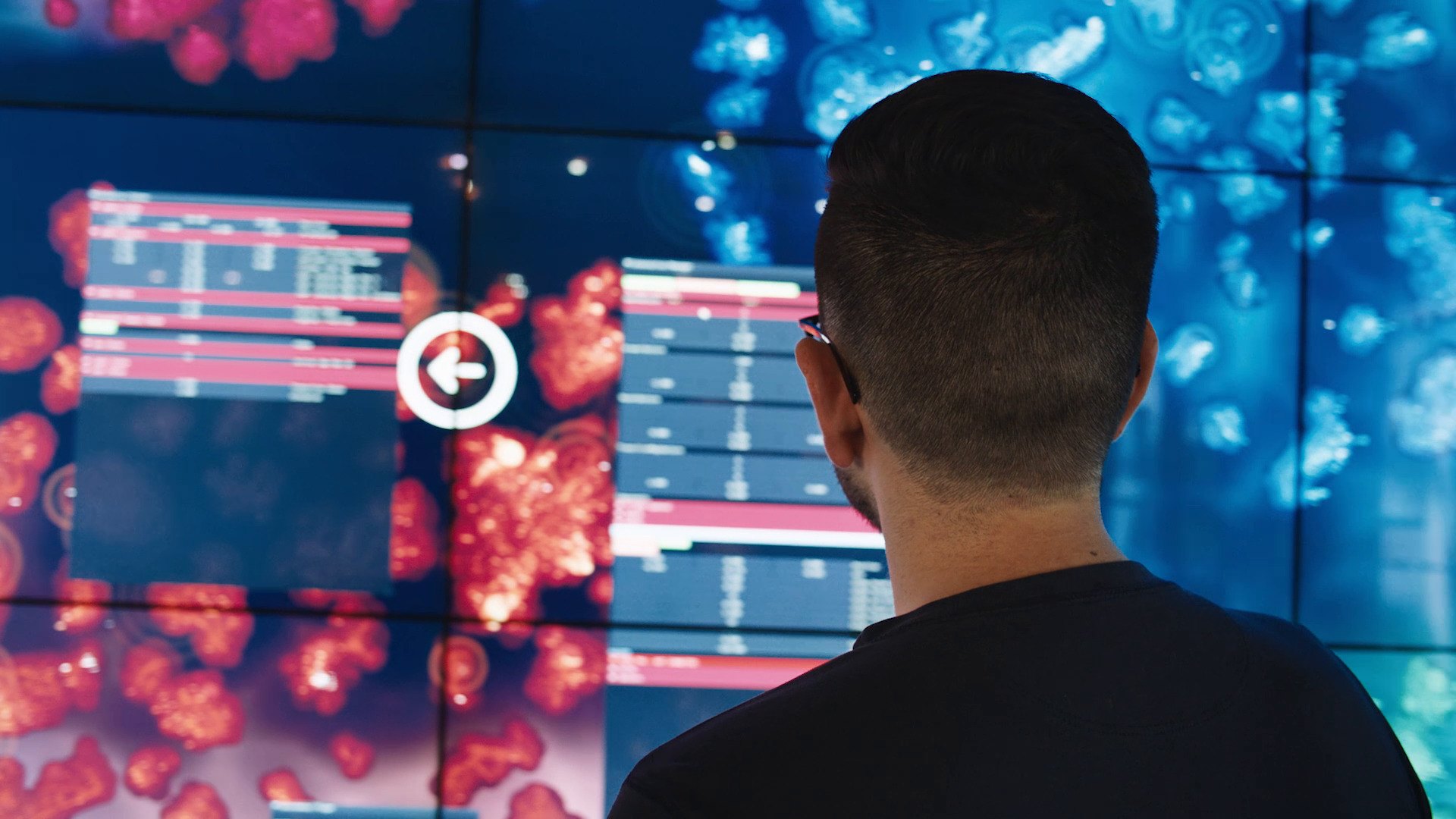
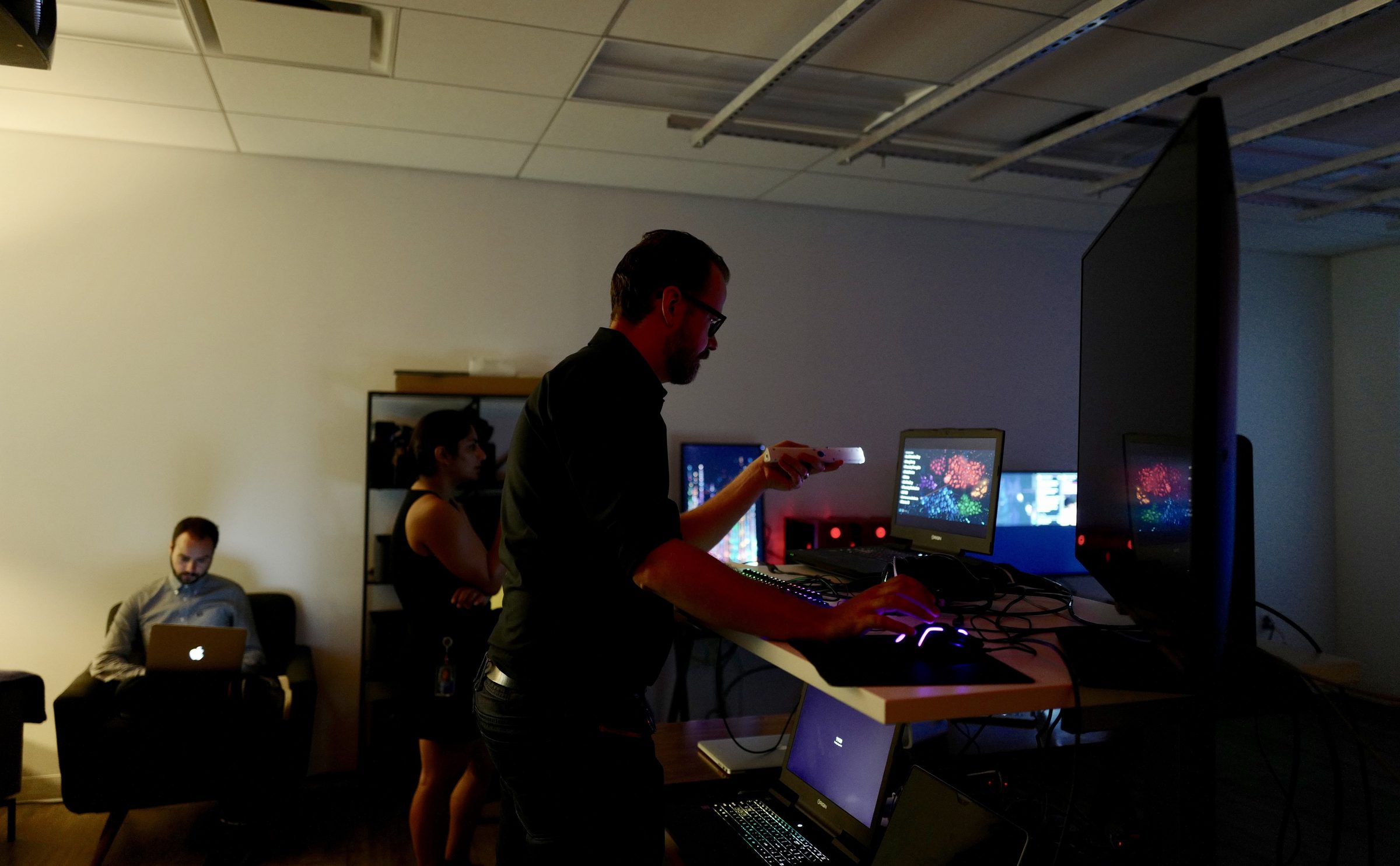
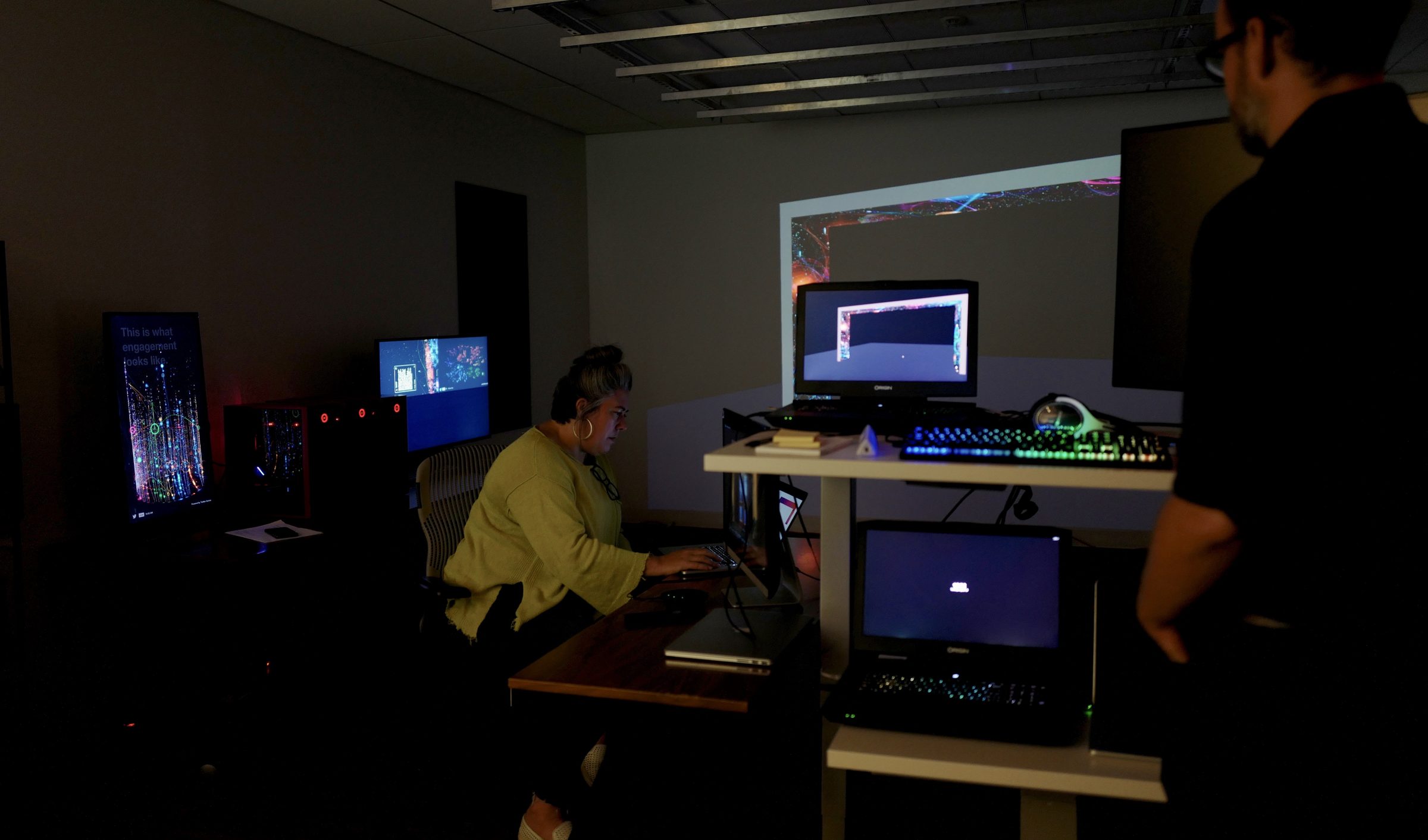
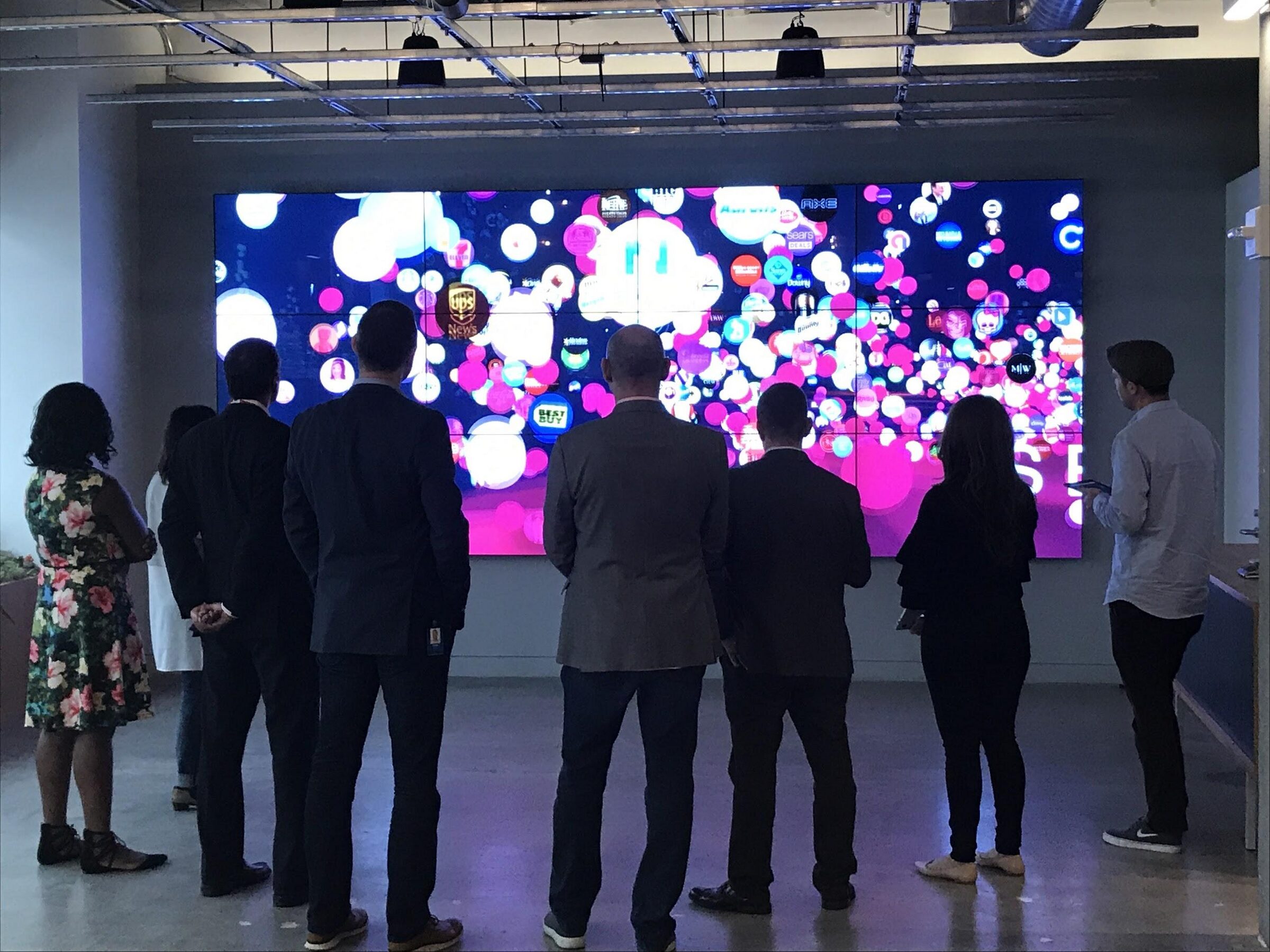
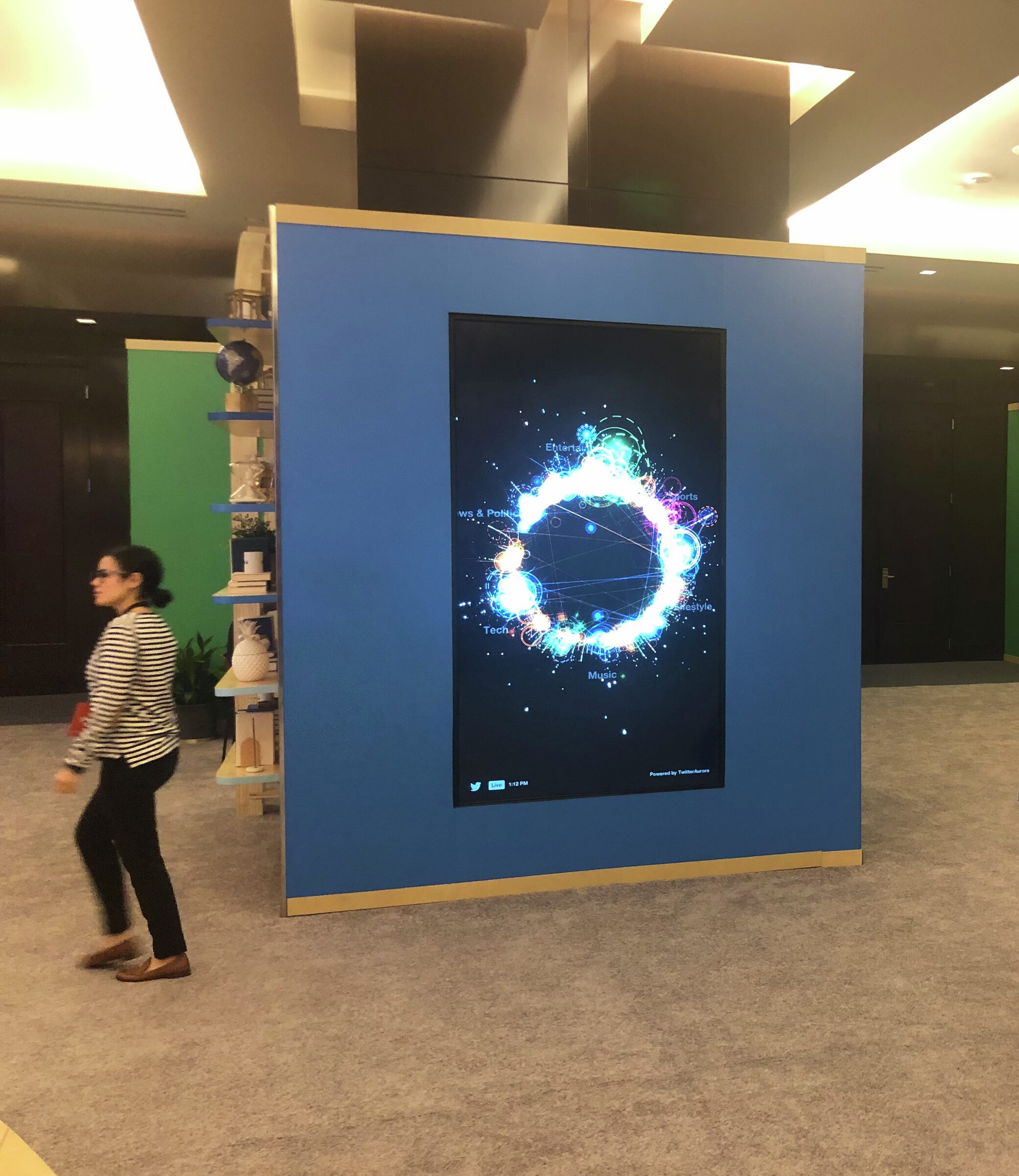
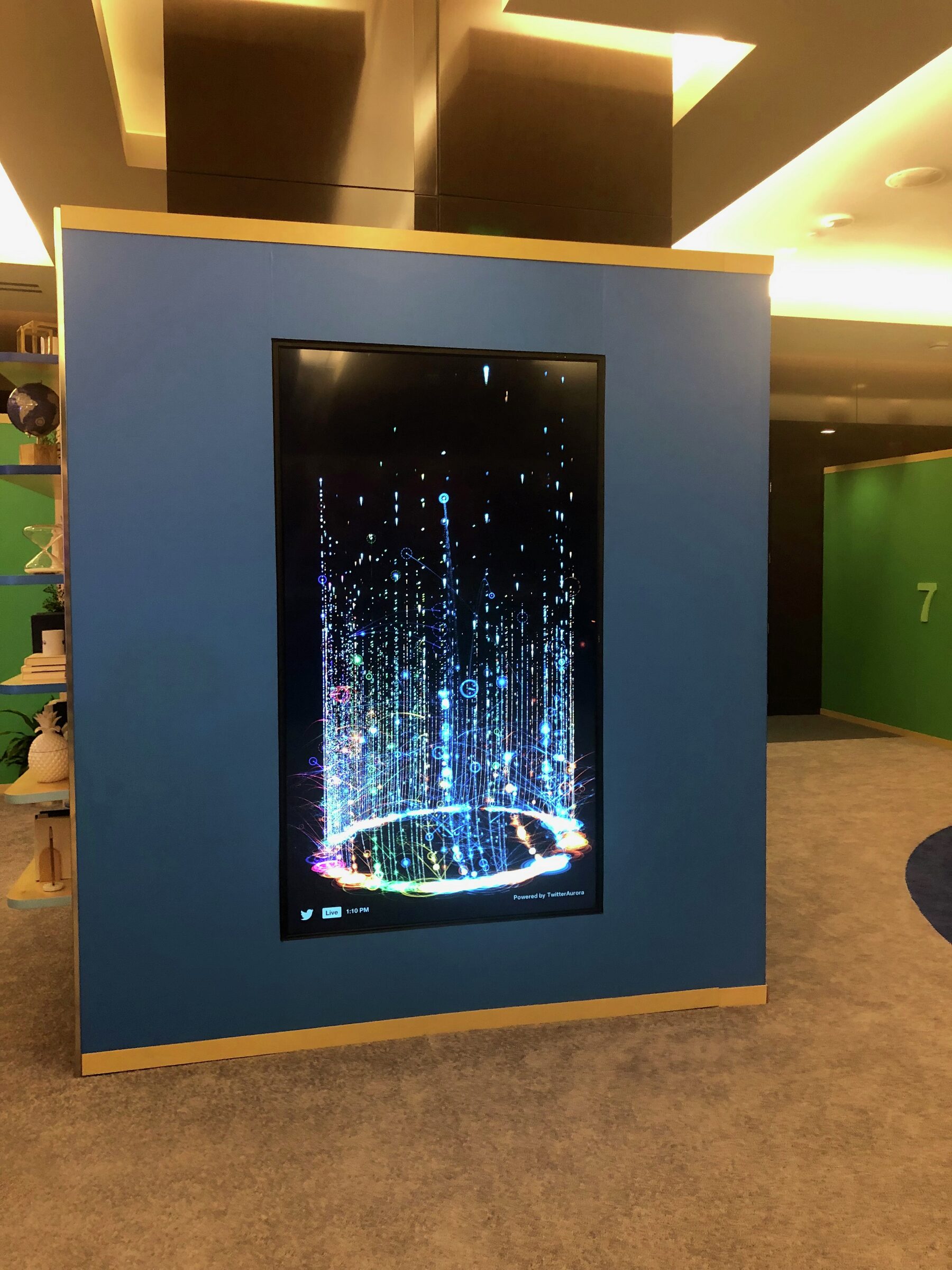
One engine drove every experience, reshaped for each space. On top-of-the-line render machines, it filled twelve San Francisco screens as one picture and lit the New York lab; it stood tall for guests at CES. In the smaller formats across Twitter’s offices, it ran on the modest computers tucked behind the displays. When the wall and office versions drifted apart, I brought them back into one, so new features could reach the offices too. The engine could also render its own films.
The screens
Aurora on the walls and stages where it ran, then as the engine itself drew it.
Installations and events
From the engine
Within Aurora’s world, I designed and built the connections component, turning conversations into dynamic links between people. The engine had only ever known the present, so I proposed giving it a memory and built one: any recorded stretch of up to a week could unfold again, slowed to a drift or left to race. I added a virtual camera that could be cued and scripted toward the moments where the conversation gathered, so a replay could become a journey. The MTV Video Music Awards, replayed inside Aurora, became one of those journeys.
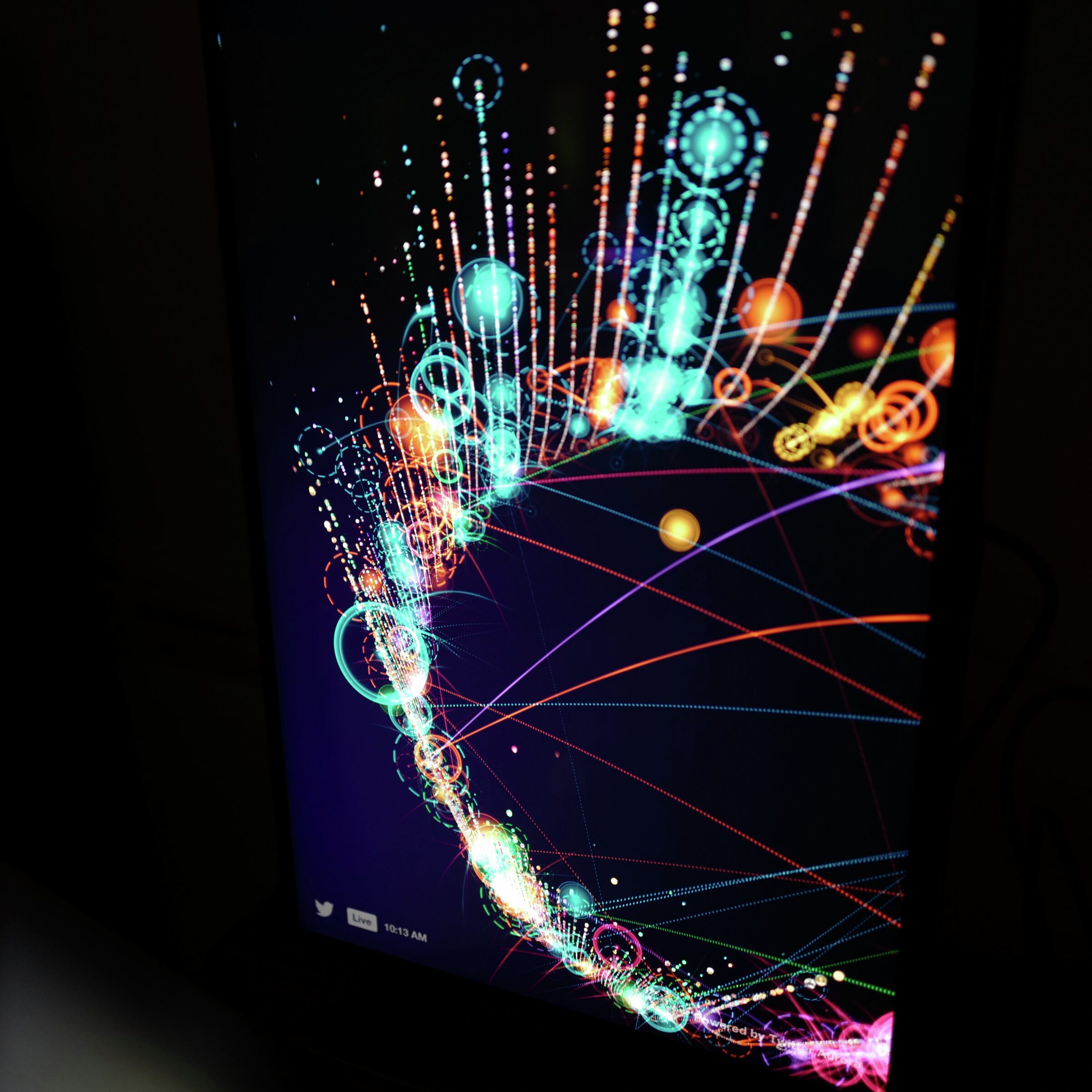
Those modest office computers could only carry a lighter Aurora, so I devised a way to stream the full experience live from the New York lab. A few render machines there each produced its own stream, and screens worldwide picked up the one that fit their region and format, landscape or portrait. An office screen could now show what only the flagship machines could render. Mike Edwards and I designed the architecture together; Mike built the platform.
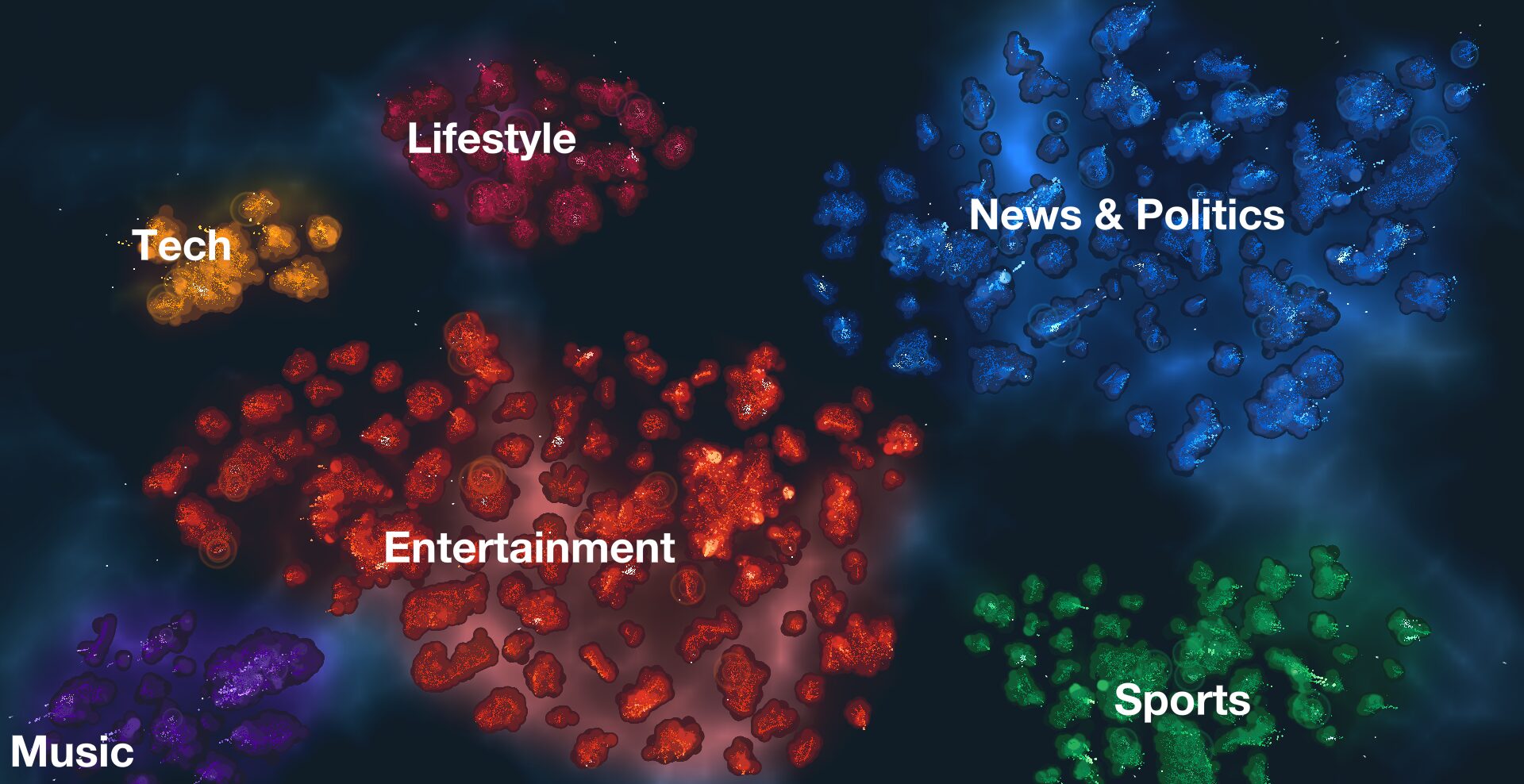
That shared foundation also gave me room to keep experimenting. Communities spun into rings like Saturn’s, rose into columns, curled into a sphere, arched into domes and wrapped around an architectural threshold in a prototype. Time bent too: a whole night flared up at once, and a week of pop culture fountained into arcs. Each of these experiments grew from Ian’s communities.
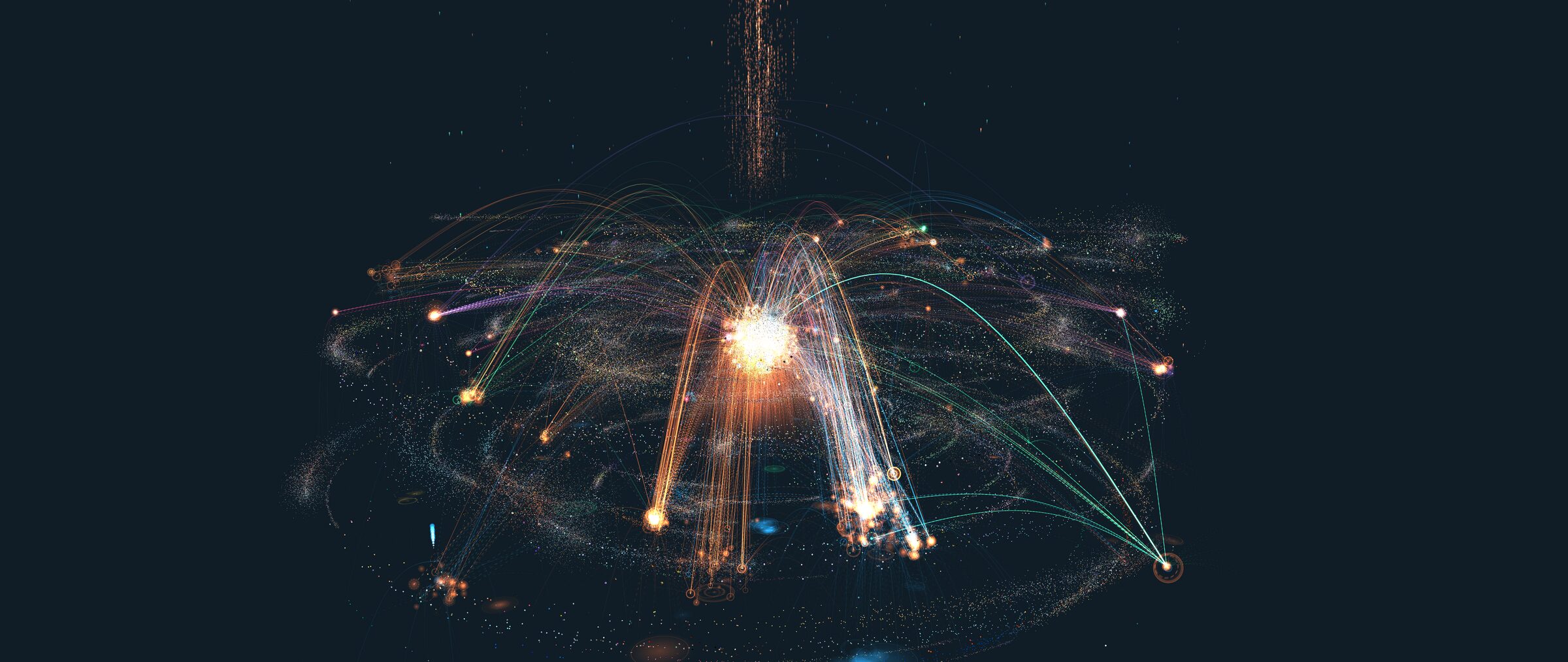
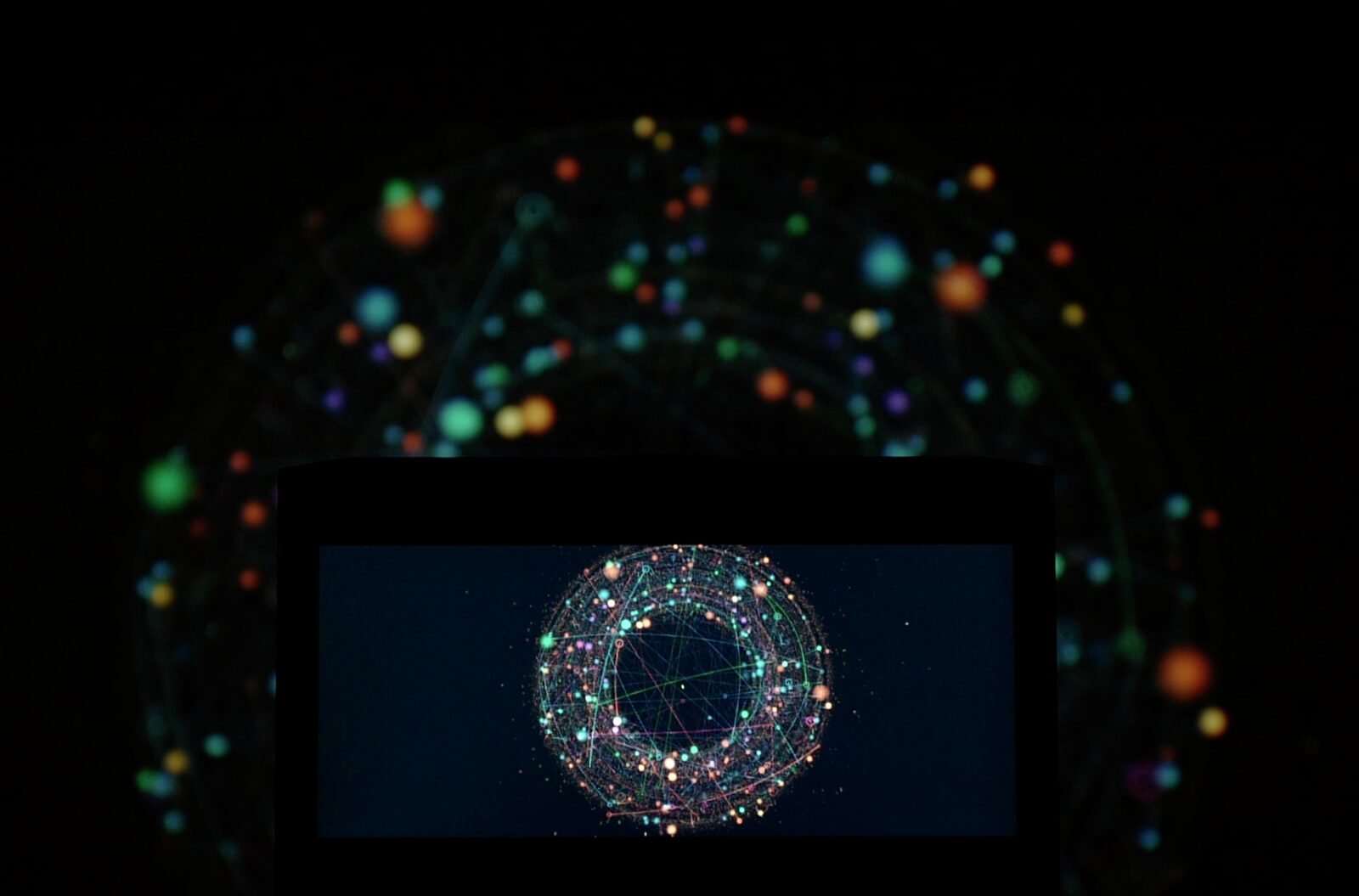
Prototype
Signatures of a visit
I also prototyped a souvenir for every visitor: the wand’s whole flight through Aurora, kept and replayed as light. The project ended before anyone could take one home.
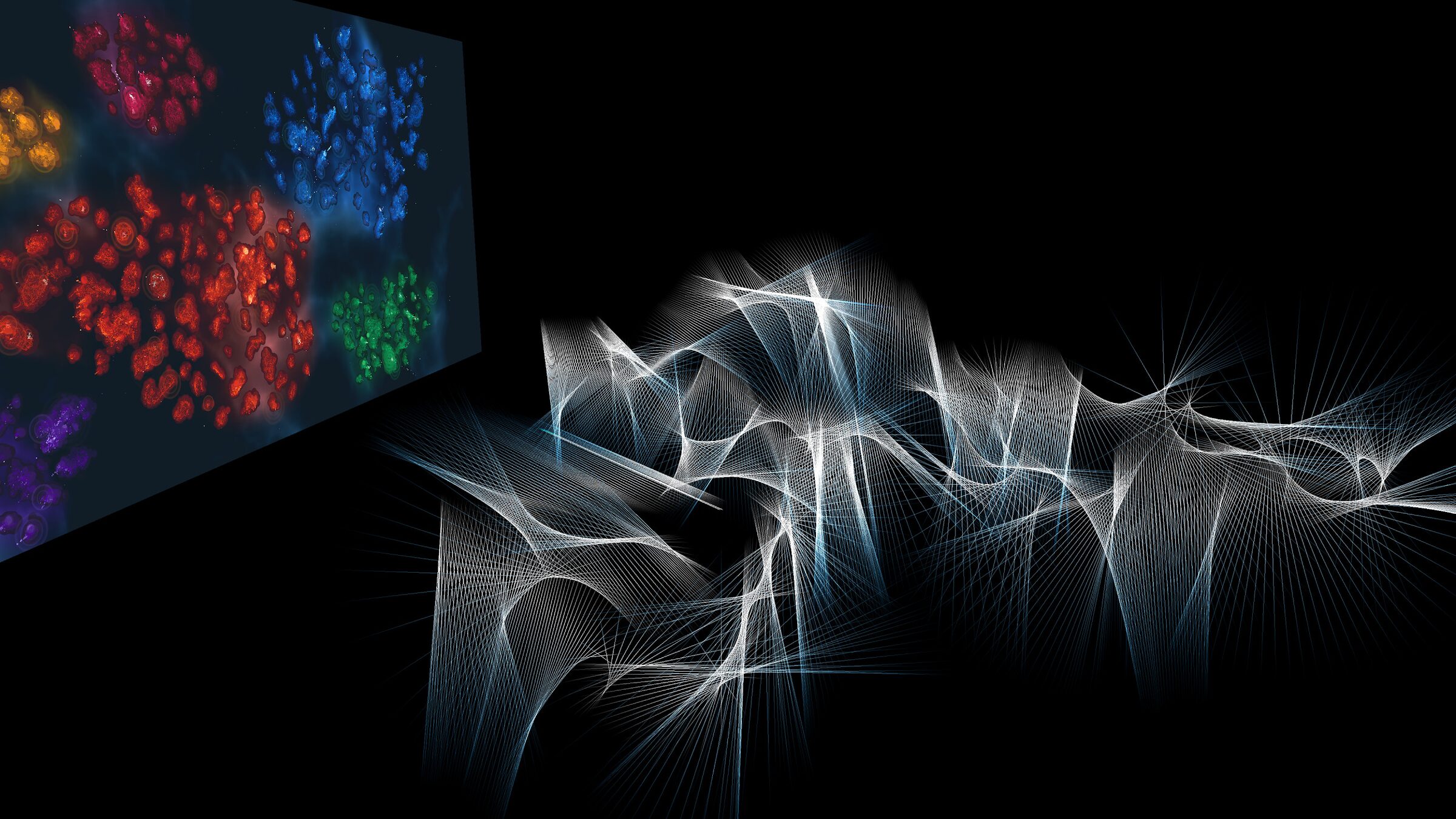
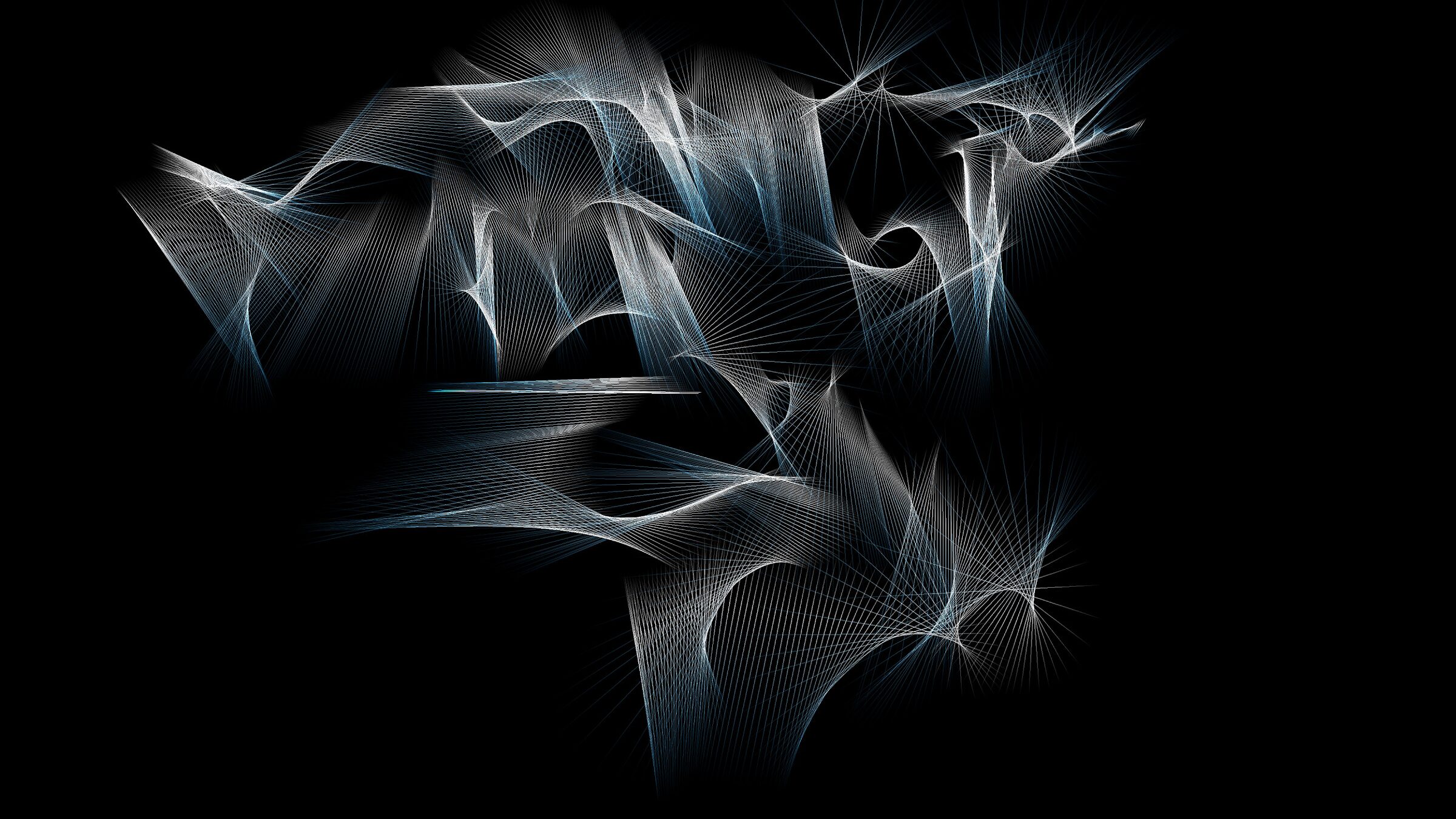
From the laboratory
Moments held still from the experiments, each one grown from the same communities.